Overview
One of the biggest changes to India’s direct tax system is the Faceless Assessment Scheme. It was implemented with the goal of bringing openness, efficiency, and fairness to tax assessments by doing away with human interaction between taxpayers and tax officials. The plan has changed throughout time as a result of legal changes and technical advancements, particularly with the impending Income Tax Act, 2025 (which will take effect in April 2026).
The Faceless Assessment Scheme: What is it?
The program, which is primarily administered by Section 144B of the Income Tax Act, guarantees that tax assessments are carried out completely online and without any face-to-face interaction.
Important Features:
No in-person communication between the officer and the taxpayer
National Faceless Assessment Center (NFAC) centralised system
Using technology, cases are distributed at random.
Team-based evaluations rather than those made by a single officer
Only electronic correspondence.
Current Information (2025–2026)
1. Persistence under the 2025 Income Tax Act
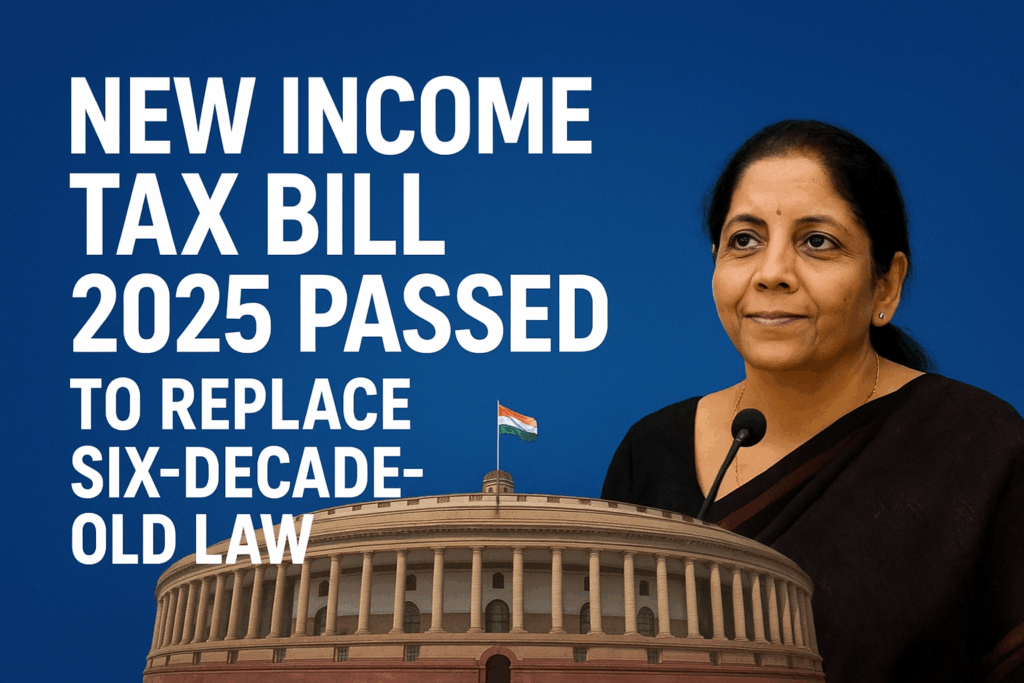
The new law would maintain faceless assessment and appeal procedures, guaranteeing uniformity in the governance of digital taxes.
2. Clearly defined roles (NFAC vs. JAO)
Recent changes make it clear that:
The first investigation is handled by the Jurisdictional Assessing Officer (JAO).
NFAC performs the final evaluation.
Confusion and litigation are decreased as a result.
3. Better Utilisation of Technology and Data
Objectivity and accuracy are increased by the use of AI-based risk management tools and automated case selection.
4. Targeted Audits & Quicker Processing
CBDT now has the authority to expedite evaluations and carry out focused audits, guaranteeing a speedier resolution.
- Budget 2026 should prioritise simplification.
To prevent delays and complexity, the government is attempting to streamline processes and enhance collaboration among evaluation divisions.
Effects of the Faceless Assessment Program
Benefits of Transparency: Removes prejudice and corruption
Efficiency: Standardised processes and quicker case processing
Convenience: No need to go to tax offices
Uniformity: All Indian taxpayers receive the same treatment
Decreased Litigation: Unambiguous digital documents lessen disagreements
Difficulties and Issues
Technical Problems: System lags and portal errors
Lack of Personal Hearing: Complex cases are hard to convey
Time Restrictions: Natural justice may be impacted by short deadlines
Problems with Coordination: Between several units managing a single instance
While the approach enhances governance, experts point out that fairness depends on its execution.
Conclusion
The Faceless Assessment Scheme represents a major shift towards digital and transparent tax administration in India. With the latest updates in Budget 2026 and the new Income Tax Act, the system is becoming more structured and efficient. However, continuous improvements in technology, timelines, and grievance handling are necessary to ensure that efficiency does not compromise taxpayer rights.
Overall, the scheme is a strong step towards building a trust-based and non-adversarial tax system in India.