Overview
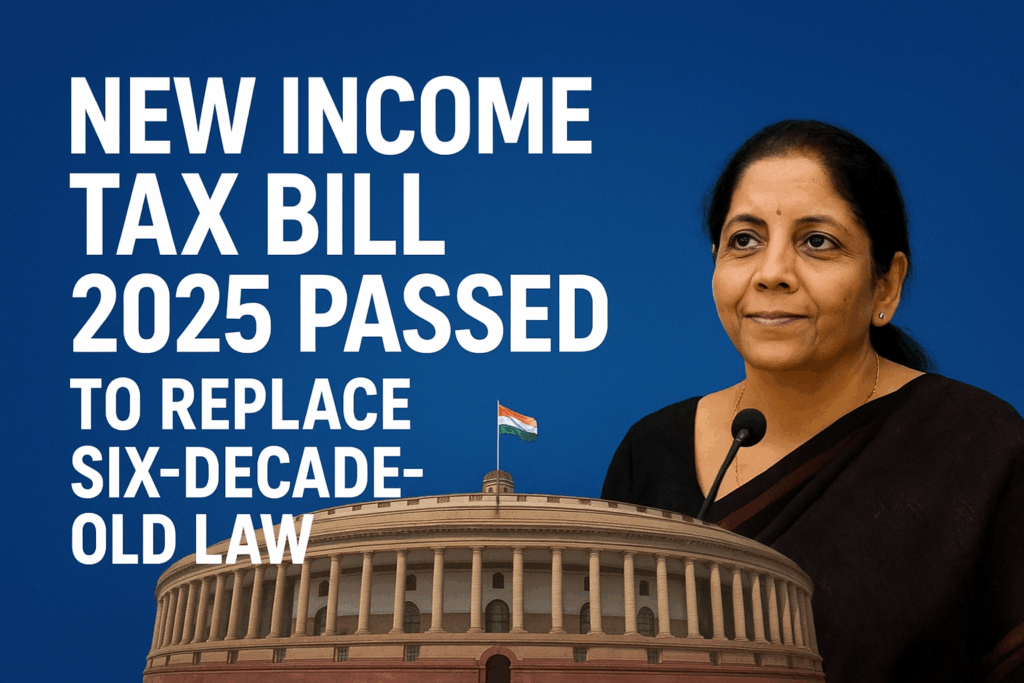
For Indian taxpayers, choose between the old and new tax regime has become one of the most crucial choices. The comparison is now even more pertinent due to recent changes and the implementation of the new income-tax structure from 2026. The new tax system is now the default choice, even though both regimes still exist, so it’s important to know which one works best for you.
Comprehending Both Tax Systems
- The New Tax System (Default System)
- provides additional slabs and reduced tax rates.
- The basic exemption cap was raised to ₹4 lakh.
- A Section 87A refund can make income up to ₹12 lakh tax-free.
- There is a standard deduction of ₹75,000.
- No significant deductions such as 80C, HRA, or 80D
For instance:
After normal deduction and rebate, an individual earning ₹12.75 lakh can pay $0 tax.
2. The Old Tax System (Traditional System)
- Fewer slabs and higher tax rates
- ₹2.5 lakh is the basic exemption limit.
permits several exclusions and deductions, including:
- HRA (House Rent Allowance) Section 80C (LIC, PPF, ELSS)
- 80D (Health insurance)
- A typical deduction of ₹50,000
Under this system, a paid individual who makes large investments in tax-saving products may considerably lower their taxable income.
Important Modifications Following the 2026 Amendments
Under both regimes, tax slabs for FY 2026–2027 will not significantly alter.
The new tax system is still in place by default.
The new law established a simplified tax system.
The majority of taxpayers are switching to the new system since it is easier and has cheaper charges.
Which Tax System Is Better?
Select a New Tax System if
Your investments and deductions are lower.
You like filing taxes simply.
You make between ₹12 and ₹15 lakh.
You desire a larger take-home pay.
Under this system, a paid individual who makes large investments in tax-saving products may considerably lower their taxable income.
Important Modifications Following the 2026 Amendments
Under both regimes, tax slabs for FY 2026–2027 will not significantly alter.
The new tax system is still in place by default.
The new law established a simplified tax system.
The majority of taxpayers are switching to the new system since it is easier and has cheaper charges.
Which Tax System Is Better?
Select a New Tax System if
Your investments and deductions are lower.
You like filing taxes simply.
You make between ₹12 and ₹15 lakh.
You desire a larger take-home pay.
For instance:
Taxes under the new system are substantially lower than those under the previous regime on income of ₹15 lakh.
Select the previous tax system if
You make large deductions (≥2–3 lakh or more).
You pay rent or interest on a house loan (HRA benefit).
You actively participate in tax-saving initiatives
For instance:
A person with home loan + 80C + insurance deductions may save more tax here.
In conclusion
Depending on your financial profile, there is no one “best” regimen. For those with few deductions, the new tax system is perfect for simplicity and reduced tax rates. However, those who actively invest and claim several exemptions continue to benefit from the previous regime.
Concluding Advice:
Prior to submitting your return, always compute tax under both regimes to select the most advantageous alternative.